It goes without saying, but the Herxheimer reaction is one of the most difficult aspects of chronic Lyme disease treatments. It’s a giant pain both literally and logistically. It can make it so scary to try any new protocol or product. The real issue, however, is how the medical community has vastly misunderstood the Herx reaction. What many thought was good turns out to be the total opposite, and what many thought to be solutions, turns out to be misdirected.
Trust and Frustration: Navigating Shifting Medical Advice
New findings always call us all to embrace an uncomfortable yet fundamental truth of the healing industry: What we know is ever-evolving. Patients have to put so much trust into health practitioners, and when they unknowingly lead you astray, it can feel extremely overwhelming and frustrating no matter how good their intentions were.

If you find yourself spiraling down into the pit as you dive into the new research, take a deep breath, let the anger and grief for the pain you have experienced unnecessarily vibrate through you. Know that your emotions are completely valid. Once you have allowed the emotions to process, give yourself and others grace, acknowledging the humanity and celebrating being equipped with more pieces to the puzzle moving forward. Holding resentment within you does not support physical healing progress and therefore is not a luxury one with chronic illness can afford to indulge in. When we know better, we do better.
Below, we invite you to open and curious consideration as we present a report on latest peer-reviewed published research regarding the Jarisch-Herxheimer reaction, otherwise known as the “Herx reaction.”
The Reality of Herx Reactions: What You Need to Know
A key piece of info to remember is that the Herx reaction has to do with the worsening of symptoms after antibiotic treatment specifically for spirochetal infections, such as Lyme disease, syphilis, etc. Now here’s the kicker– While many health professionals were taught that a Herx reaction was a good sign, studies and acclaimed Lyme-literate doctors now assert that it not only has no therapeutic benefit, but that it should be avoided at all cost (1).
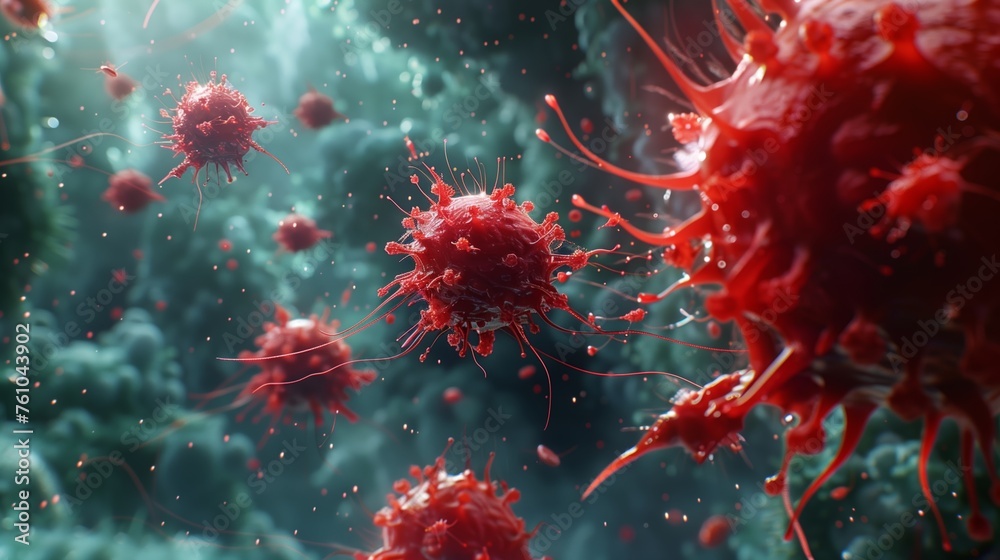
On the other side of the spectrum, many people have widely accepted that toxic die-off causes Herxing. However, this new research (2) (1) has also revealed that this theory is not actually true either. It turns out that a Herx reaction is actually caused by the body’s exaggerated yet incomplete immune response to attacked Lyme spirochetes.
Oftentimes, an antibiotic (whether pharmaceutical or botanical) will kill some spirochetes, but only injure others. Then what happens is, immune cells (specifically, poly-morpho-nuclear leukocytes) gobble up the injured spirochetes. At this point, the spirochetes start producing a ton of cytokines. Cyotokines are biochemicals that promote inflammation and tissue damage, and THIS is what’s truly responsible for Herx reactions that are experienced after antibiotic Lyme treatments.
How To Avoid the Dangers of Herx Reactions
The mechanism by which the Neuro-Antitox II formulas by Jernigan Nutraceuticals work is not only by detoxifying ammonia in the specified systems, but also by helping the body reduce the excess of inflammatory cytokines, which is why they are a vital piece to any Lyme disease protocol.
While the Herxheimer reaction itself is not caused by die-off from spirochetes, it is crucial to note that for gram-negative bacteria, such as Bartonella, there often is a release of exotoxins and/or endotoxins (which spirochetes do not have (3)) when the bacteria is killed. This can also lead to a worsening of symptoms.
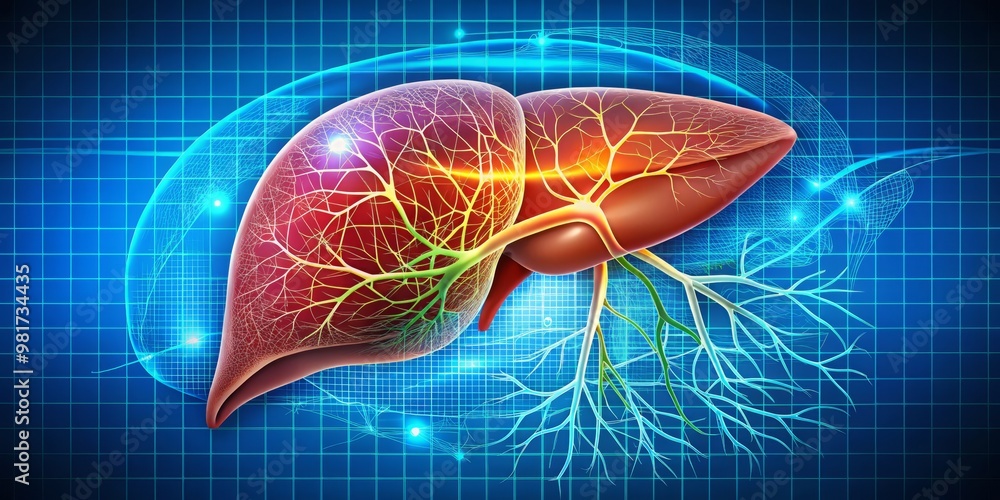
Therefore, it stands to reason that the detoxification organs/systems must be specially supported before and/or while one attempts to detox. If the liver and lymphatic system, for example, are blocked and “offline,” the body will likely have a difficult time when all these endo/exotoxins are liberated for elimination, resulting in unpleasant symptoms.
Therefore, restoring the liver and lymphatic system to optimal function FIRST before adding to their toxic burden with bacterial die-off may be the most effective (not to mention, least painful) approach.
Virtually every chronic Lyme case comes with a host of co-infections, so implementing Near/Mid/Far Infrared Sauna therapy, oxygen therapies, emotional clearance, hydrogen peroxide and epsom salt baths, etc, may be a crucial aspect of a treatment protocol as well.
Related Posts
Mold Mycotoxins: Types, Sources, & Health Effects
In our past few posts, we have explored the dangers of toxic mold exposure, its relation to Lyme disease and related chronic...
Different Types of Mycotoxins & Their Health Risks
In our past few posts, we have discussed the impact that mold can have on the body, its relation to chronic Lyme...

Top Sources of Mold Exposure and How Toxicity Happens
Mold toxicity is a hidden epidemic. Find out why it’s more common than most realize, what fuels its growth, and the surprising...

Mold and Lyme Disease: What You Need to Know
Learn why undetected mold toxicity is a major obstacle for healing chronic Lyme disease and requires an all-encompassing holistic approach to recover...
Unmasking Mold: How Toxic Exposure Impacts Your Health
Lyme disease recovery stalled? Mold toxicity might be the reason. Support your body’s healing journey by identifying the role mold toxicity may...

How to Overcome Low Self-Worth In Chronic Illness
You're not a burden! Discover how to reclaim your sense of worthiness when chronic illness prevents your ability to try and 'earn'...