
In our past few posts, we have discussed the dangers of mold exposure, as well as its relation to Lyme disease and related chronic illnesses. Now, let’s get into the nitty-gritty of understanding the top sources of mold exposure that lurk in the shadows of our everyday lives.
How Mold Toxicity Happens: Exposure Meets a Weakened Immune System
Mold spores can be found nearly everywhere, indoors or out, because they reproduce by launching spores into the air and onto the ground [S2, S3]. This is why they can so easily invade our homes. They can breeze in through the HVAC system, windows, doors, or attach themselves to our shoes, clothes, bags, and pets [S2, S7]. According to Dr. Bill Rawls, M.D., mold spores are present in about 50% of American homes [S3].
While mold spores are practically unavoidable, they only become harmful under two conditions: when they encounter the moisture and nutrients needed to grow in a physical environment, and when they meet a vulnerable immune system in a person. Virtually everyone who has a chronic illness like Lyme disease has a weakened immune system, so they are particularly susceptible to the worst side effects of mold exposure. On top of that, a growing percentage of the general population is experiencing immune dysfunction due to poor diets, harbored emotional trauma, medication use, environmental toxins, etc. This all leaves them vulnerable, making mold toxicity the final blow that often leads to chronic illness.
Mold Exposure Can Weaken Even the Strongest Immune Systems

Even in individuals who start out with strong immune systems, repeated exposure to mold can gradually weaken their defenses, creating a vicious cycle of increasing sensitivity. This is where we often hear stories like, “I was so healthy! I never got sick, I took great care of myself, and then—just like that—I was chronically ill.”
But if mold is everywhere and contaminates a home so easily, why isn’t everyone always sick? Well, there is one caveat. Despite its pervasive nature, not everyone experiences chronic health issues from mold exposure. This is because only about 25% of the population has a genetic predisposition that hinders the body’s ability to efficiently eliminate mold, making them more vulnerable to its effects [S7, PubMed]. This genetic predisposition, combined with how easily mold contaminates a home, and the growing prevalence of weakened immune systems, makes mold toxicity a hidden but serious health threat that often goes unnoticed.
What Causes Mold Growth?
Mold thrives in dark, warm, humid spaces, and humidity levels of 60% or higher provide sufficient moisture for growth, according to the United States Environmental Protection Agency (EPA).
For context, the average humidity level in homes in Florida is around 74.5%. Problems can arise in any indoor environment that is too humid or has experienced water damage, including homes, offices, schools, vehicles (especially in A/C units). Common causes include rising damp from basements, plumbing leaks, poor ventilation, or rain seepage through leaky roofs or windows—especially in regions with consistently rainy or humid climates.
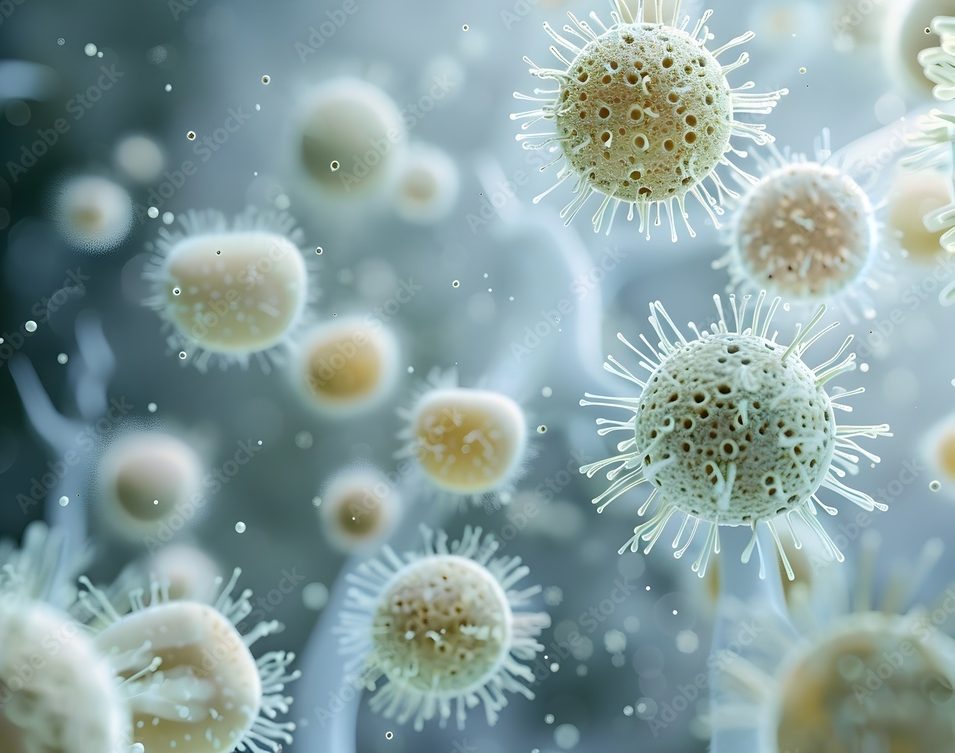
Top Sources of Mold Exposure: What to Check First
Mold’s top favorite places to hide in a home include [S2, S7, S3]:
- Behind the toilet
- Under the kitchen sink
- Around leaking pipes
- Windows with condensation
- Areas with little air circulation
- Kitchens
- Bathrooms
- Wood
- Books
- Ceiling panels
- Wet insulation
- Drywall
- Toys
- Dirt
- Dust
- Wallpaper
- Ventilation ducts
- Underneath carpets and floorboards
- Common foods (trace amounts from manufacturing processes) like grains, fruits, coffee, and nuts
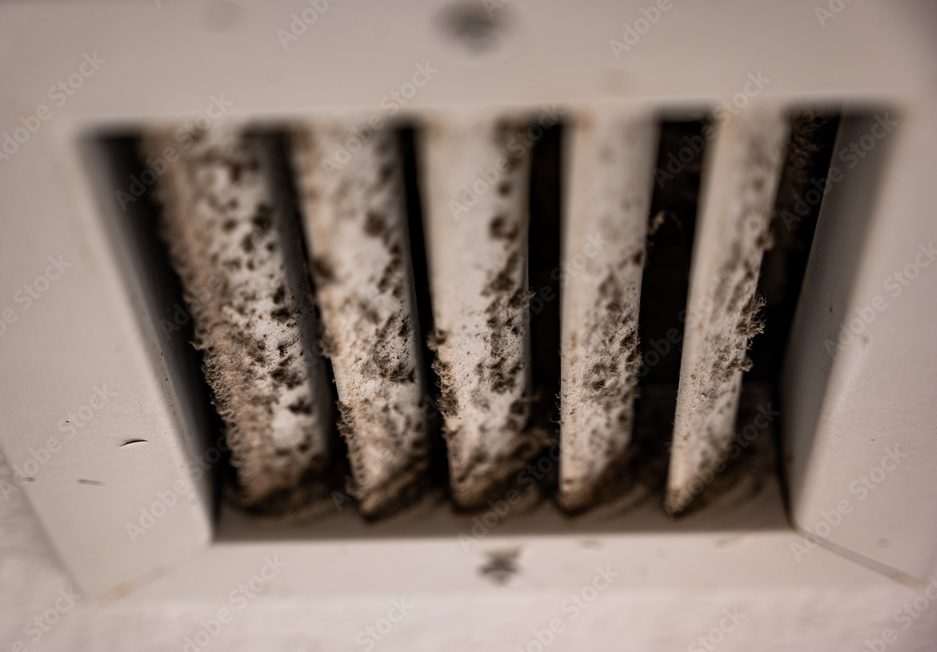
When the conditions are right, mold can grow quickly— sometimes within 24-48 hours, and once it begins to spread, getting rid of it can be challenging [S2]. Toxic mold is a stealthy intruder that often goes unnoticed, yet its impact on health—especially for those struggling with chronic illness—can be devastating. By understanding where mold hides in everyday environments, you can take proactive steps to protect yourself and your loved ones from its harmful effects.
Whether it’s lurking behind walls, beneath flooring, or in damp, overlooked spaces, identifying and addressing mold exposure is key to reclaiming your well-being. If you suspect mold is contributing to persistent health issues, don’t ignore the signs—investigate, remediate, and safeguard your environment. Your health is too important to let hidden mold remain in the shadows. Stay tuned for the next post which will unpack all the different types of molds we commonly encounter, what mycotoxins they produce, and what each of their specific side effects are.
Sources
- Dr. Bill Rawls, M.D. Lyme and Mold: A Practical Guide to Protecting Yourself at Home. (RawlsMD)
- Dr. Tiffany Althaus. Mycotoxin Illness: What You Need to Know. (DrTiffanyAlthaus.com)
- The Maids. 3 Non-Toxic Ways to Clean Mold with Natural Cleaners. (Maids.com)
Related Posts

Mold & High-Risk Foods: Chocolate
Most people think of dark chocolate as a health food, and in many ways, it is. High-quality dark chocolate is rich in...
Mold & High-Risk Foods: Spices
Spices may be one of the most overlooked sources of dietary mycotoxin exposure. Many spices are grown in warm, humid climates, then...

Mold & High-Risk Foods: Coffee
Coffee has become one of the most discussed foods in conversations about mold exposure, and for good reason. From harvest to your...
Mold & High-Risk Foods: Nuts
Mold exposure and its role in chronic illness — including its ties to Lyme disease and related conditions — often comes down...
Mold Mycotoxins: Types, Sources, & Health Effects
In our past few posts, we have explored the dangers of toxic mold exposure, its relation to Lyme disease and related chronic...

Different Types of Mycotoxins & Their Health Risks
In our past few posts, we have discussed the impact that mold can have on the body, its relation to chronic Lyme...