Chronic Lyme disease and mold illness are very tricky illnesses to diagnose and recover from. In this blog post, we will explore how they often go hand in hand, and why mold is something to take very seriously in any chronic Lyme healing journey.
Got Lyme? Got Mold.
When one has Lyme disease, you will often also see mold toxicity [S1]. Dr. Richard Horowitz, MD is one of the founding members and past president-elect of the International Lyme and Associated Diseases Society. In his interview with Scott Forsgren, The Better Health Guy,

he stated that about 2/3 of his patients have mold toxicity. Dr. Joseph Mercola even goes so far as to say: “Mold illness may be the most prominent health problem physicians are missing today — a ‘hidden’ pandemic that’s sweeping the nation.” Undetected mold is one of the top reasons valiant efforts to resolve Lyme disease fall short [S2]. In fact, one of the top clinics in the world for chronic Lyme disease, The Biologix Center, states that “Many patients with chronic Lyme disease might actually be suffering from mycotoxicosis.
The symptoms are similar, and if Lyme treatments (targeting bacteria) fail, mycotoxins might be the actual culprit.” [S1]
How Mold Sabotages Recovery
Horowitz also stated in his interview that gliotoxins produced by a common type of mold called “Aspergillus fumigatus” have a significant negative impact for patients with Lyme disease and similar chronic illnesses because they suppress the immune system while it is already being impaired by multiple other microbes, system dysfunctions, and imbalances.
Suppressing the immune system is bad enough when needing to simply combat the mold toxicity itself, but what’s most nefarious about it is that it also makes it easy for a ton of other types of infections to bombard the body and grow out of control all at once. If an individual doesn’t already have Lyme disease, exposure to mold can lead to an increased risk of developing it.
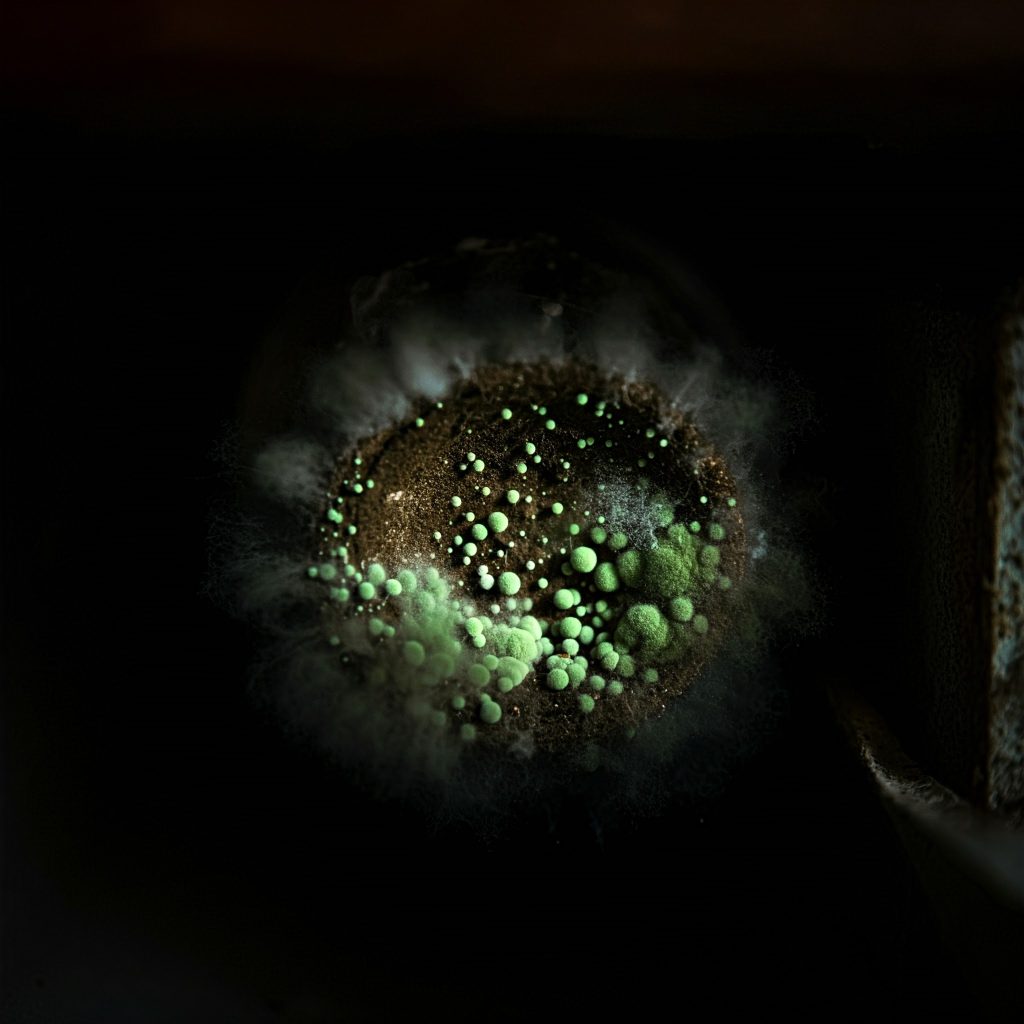
In fact, many find that their entire journey with Lyme disease was initially triggered by mold exposure. In addition to Lyme, it can lead to conditions such as mast cell activation, methylation dysfunction (a detoxification issue), activation or reactivation of viral, bacterial, or parasitic infections, limbic system dysfunction, vagal nerve dysfunction, and more [S3]. Mold’s immune-supressing effects don’t just make one more likely to contract NEW infections though; any pre-existing conditions/infections will often be worsened as well. Drawing on her years of experience in integrative medicine, Dr. Tiffany Althaus highlights that mold exposure can exacerbate, of course, Lyme disease, along with
viral, bacterial, and parasitic infections. Beyond that, it can intensify food allergies, gastrointestinal dysfunction, autoimmune diseases, multiple chemical sensitivities, and more [S3]. This explains why illnesses related to mold toxicity and/or Lyme disease require an all-encompassing healing process.
Next Steps
This is just ONE of many different types of molds that can affect someone’s health dramatically. There are many others with side effects that range from being carcinogenic to causing kidney damage. It can all start to feel overwhelming, but don’t worry– we’re going to unpack much more about how to protect yourself moving forward and and how to help your body heal from any damage that’s been done thus far. The more we understand this stealthy enemy, the more we can make actual progress in recovering from chronic illness.
Related Posts

Mold & High-Risk Foods: Chocolate
Most people think of dark chocolate as a health food, and in many ways, it is. High-quality dark chocolate is rich in...
Mold & High-Risk Foods: Spices
Spices may be one of the most overlooked sources of dietary mycotoxin exposure. Many spices are grown in warm, humid climates, then...

Mold & High-Risk Foods: Coffee
Coffee has become one of the most discussed foods in conversations about mold exposure, and for good reason. From harvest to your...
Mold & High-Risk Foods: Nuts
Mold exposure and its role in chronic illness — including its ties to Lyme disease and related conditions — often comes down...
Mold Mycotoxins: Types, Sources, & Health Effects
In our past few posts, we have explored the dangers of toxic mold exposure, its relation to Lyme disease and related chronic...

Different Types of Mycotoxins & Their Health Risks
In our past few posts, we have discussed the impact that mold can have on the body, its relation to chronic Lyme...