Chronic illness is terribly painful physically, but it’s just as painful emotionally. It strips away the ability to try and “earn” your sense of worthiness in whatever ways you have always relied upon, whether that was your career, your athleticism, your ability to take care of everyone, your social charisma, your independence and grit, or the countless other things we look to for our worth.

The loss of identity that the limits of chronic illness bring can send you reeling. After all, you consciously or subconsciously think to yourself, what are you worth if you can’t earn a living, provide for your family, attend social events with friends and family, take Insta-worthy trips, beat your personal records in the gym, cook meals, play with your kids, connect with your spouse, help with chores around the house, or even get dressed some days? Despite how it may feel right now, your worth hasn’t changed just because what you can do and achieve has changed.
Check In With Yourself
Observe what thoughts and emotions come up for you when you think “As I am, right now, in this moment– I am worthy.“
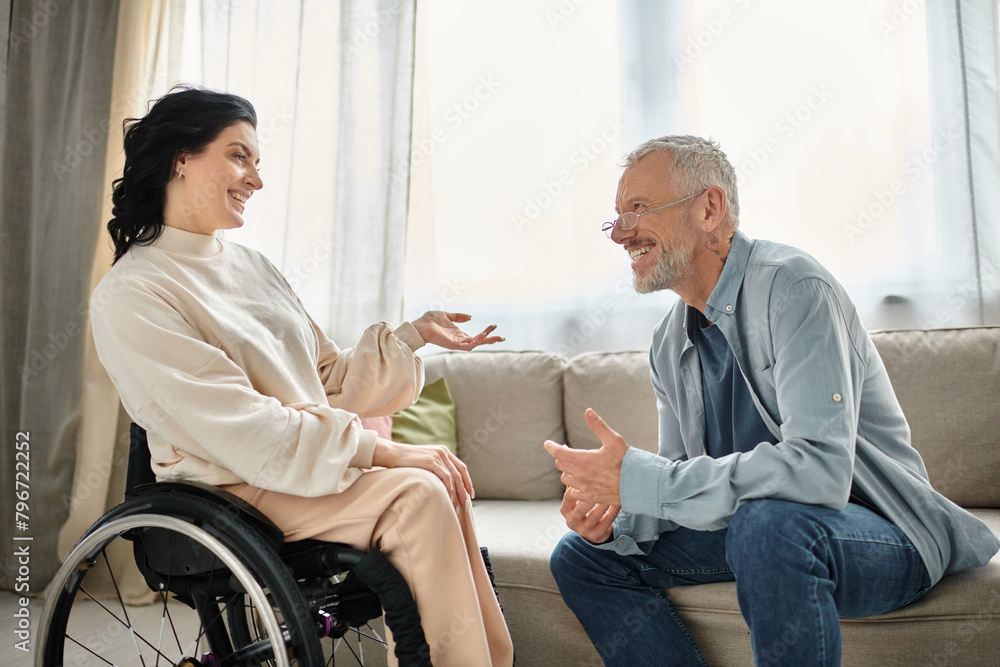
Worth love.
Worth rest.
Worth respect.
Worth effort.
Worth spending money on.
Worth fighting for.
Worth any inconvenience.
Worth joy.
Worth abundance.
Worth healing.
NO MATTER WHAT.
Is your brain wanting to resist it? Is it telling you things like:
“When I can do more around the house, THEN I’ll be worthy.”
“When I get back into shape, THEN I’ll be worthy.”
“When I get a job again, THEN I’ll be worthy.”
“When I get x amount of followers on social media, THEN I’ll be worthy.”
“When I can be lower maintenance, THEN I’ll be worthy.”
“When I can be more present as a parent or partner, THEN I’ll be worthy.”
Unlearning “Earning” Your Worth
The part of your brain that may be offering you these thoughts is just scared and trying to keep you safe in its own way. Practice lovingly and firmly telling it, “I hear you, but you’re not going to run this show anymore.”
It is VITAL that you separate your worth from your health and ability to do things, but this concept can be challenging at first. I mean– if everyone is worthy regardless of who they are and what they do, isn’t that just like saying that an egg is worth as much as a diamond?
Certified Master Life Coach and founder of The School of Self Image, Tonya Leigh, was once asked this very question. Her response was: “Think about it: To the hungry man, the egg is worth so much more than any diamond.” So the good news is– You get to DECIDE for yourself that you are worthy. It all comes down to what thoughts you CHOOSE. That is your power. Not that the self-demeaning thoughts won’t pop up, but you get to choose whether or not you feed them.


Why It Matters In Chronic Illness:
The belief that you are of HIGH WORTH informs how you will show up for yourself and others, but even more importantly, it will boost the speed of physical healing. Science has proven that there are energetic mechanisms that impact our physical systems.
The body responds to our mental and emotional states. Researchers have discovered that a healthy body vibrates within a frequency range of 62 to 78 MHz, and that the onset of the disease process occurs when the frequency declines to 58 MHz. Shame, guilt, self-degradation– these all drag down the body’s frequency, damaging its ability to defend and heal itself. So while this might sound “woo woo,” it truly is a significant piece of the puzzle for recovering from any chronic illness.
Our Favorite Method For Boosting Self-Worth:
1) Write down the current thoughts you have around your self-worth. Notice how your body feels when you think these thoughts.
Ex. “I am worthless.” (It will usually be veiled more stealthily like: “I feel like such a burden…”) Do you feel a heaviness in your chest? Do you feel yourself constrict inside?
2) Write down the thoughts that would support your health the most. Notice how your body feels when you think these thoughts.
Ex. “I am worth taking exquisite care of.” “I am worthy no matter what.” Do you feel warmth? Release?
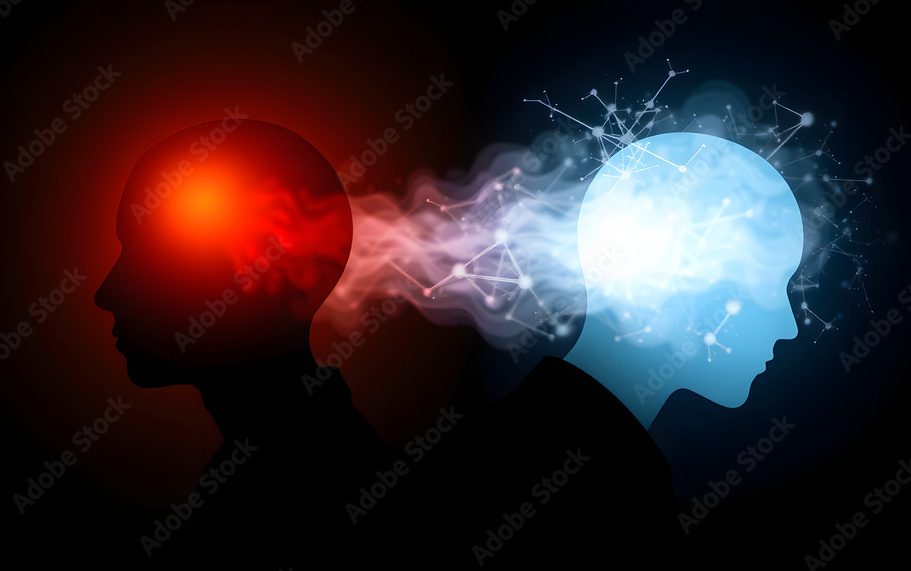
3) Set a reminder to practice these thoughts every single day. It will feel unnatural at first, but when you are intentional about the thoughts you practice, you will re-train your brain and form new neural pathways. You get good at what you practice.
Experiencing Resistance?
It will likely be too big of a jump to go from “I am worthless” to “I am fully and completely worthy no matter what.” This is because of something called “cognitive dissonance,” which happens when you say or think something that you know you don’t believe deep down. If you try to make a drastic jump in beliefs, the deepest part of you says “you’re lying.” For example, if you’re really sick, it does virtually no good to tell yourself “I’m completely healed!” over and over. There’s going to be too much cognitive dissonance there.
A more effective process is first working on a thought that feels just a little bit better for a while, and once your brain accepts that, then you choose a thought that feels a little bit better than that.
Here’s what it could look like:
Starting place: “I’m so sick. I’ll never get better.”
Shift 1: “I have a body.” or “I am.” (Completely neutral thought that your brain can easily accept.)
Shift 2: “It’s possible that I will be healed someday.”
Shift 3: “I’m learning how to take care of my unique body better and better everyday.”
Shift 4: “It’s possible that I will be healed someday.”
Shift 5: “It’s possible that I will be healed soon.”
Shift 6: “I am healing.”
Shift 7: “I am healed.”
Second Example
Starting place: “I am worthless.”
Shift 1: “I keep thinking I’m worthless.” (Creates space between you and the thought. It’s no longer “fact”).
Shift 2: “I am.”
Shift 3: “It’s possible that someday I could be worthy.”
Shift 4: “It’s possible that I could be worthy right now in this moment.”
Shift 5: “I am learning how worthy I am.”
Shift 6: “I am completely and fully beyond worthy.”
This tool is called the Thought Ladder and was created by Tonya Leigh, founder of The School of Self Image.
Related Posts
Mold Mycotoxins: Types, Sources, & Health Effects
In our past few posts, we have explored the dangers of toxic mold exposure, its relation to Lyme disease and related chronic...

Different Types of Mycotoxins & Their Health Risks
In our past few posts, we have discussed the impact that mold can have on the body, its relation to chronic Lyme...
Top Sources of Mold Exposure and How Toxicity Happens
Mold toxicity is a hidden epidemic. Find out why it’s more common than most realize, what fuels its growth, and the surprising...
Mold and Lyme Disease: What You Need to Know
Learn why undetected mold toxicity is a major obstacle for healing chronic Lyme disease and requires an all-encompassing holistic approach to recover...
Unmasking Mold: How Toxic Exposure Impacts Your Health
Lyme disease recovery stalled? Mold toxicity might be the reason. Support your body’s healing journey by identifying the role mold toxicity may...

Herx Reactions: The Vital Truth Every Lymie Needs to Know
Herx reactions are not a sign of healing in Lyme disease. Learn why experts now say they should be avoided and how...