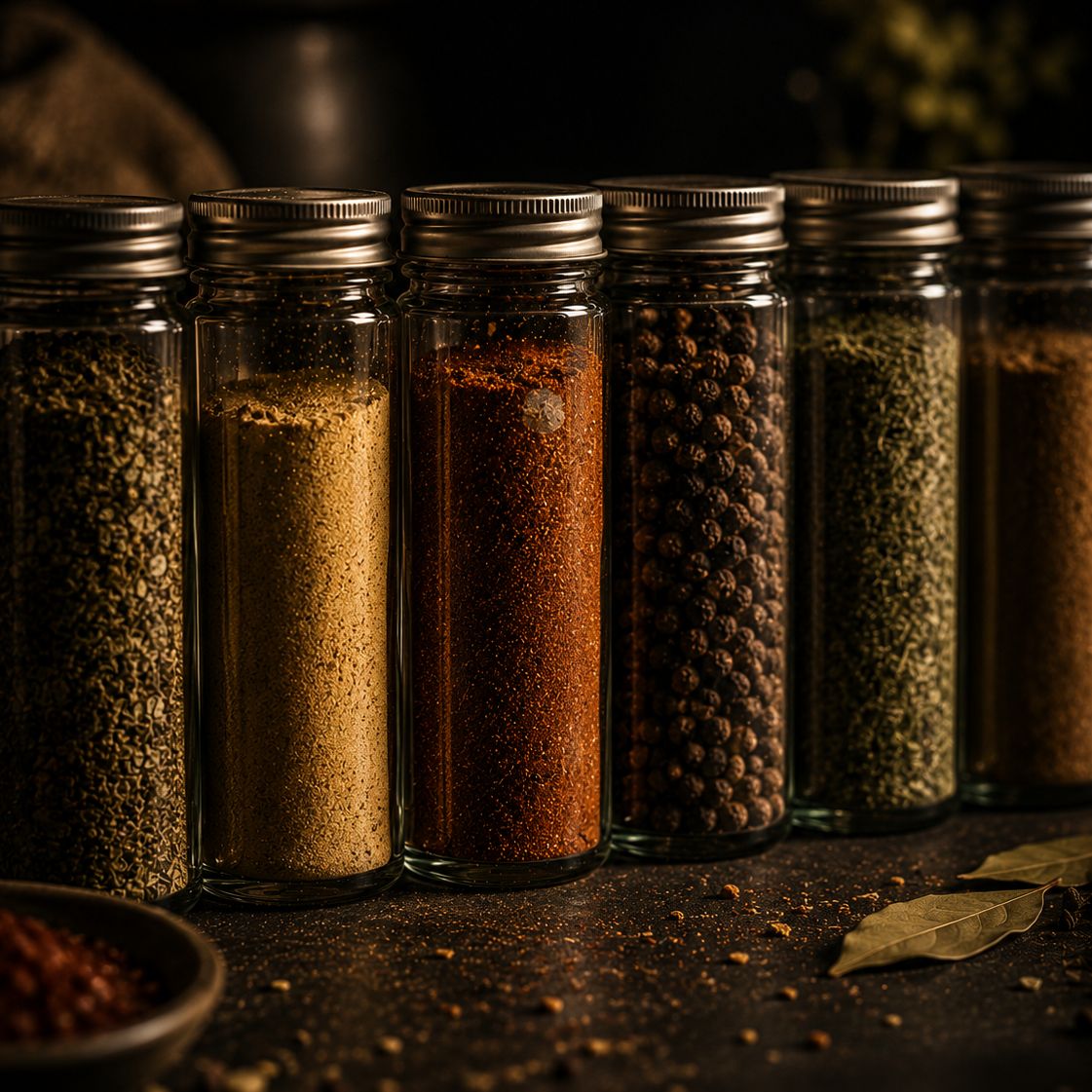
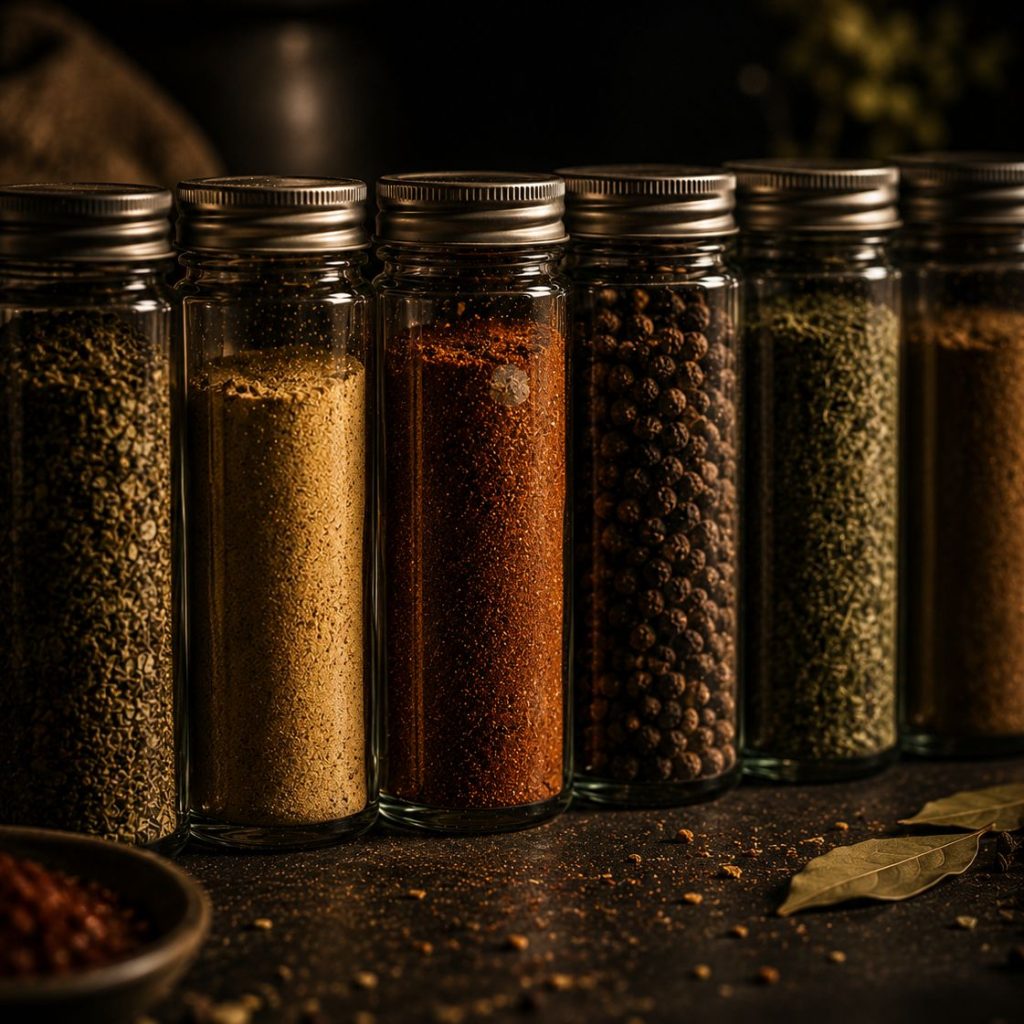
Spices may be one of the most overlooked sources of dietary mycotoxin exposure. Many spices are grown in warm, humid climates, then harvested, dried, shipped around the world, and stored for long periods before reaching your kitchen. Each step creates opportunities for mold contamination if quality-control measures are not carefully maintained.
Research has found that spices such as paprika, chili powder, cayenne pepper, black pepper, turmeric, ginger, nutmeg, and coriander can contain mycotoxins, particularly aflatoxins and ochratoxin A.
Contamination levels can vary widely depending on growing conditions, drying methods, storage practices, and the quality standards of the manufacturer.
While spices are typically consumed in relatively small amounts, the effects of low-level exposure are cumulative.
Practical Tips
- Purchase spices from companies with strong quality-control practices.
- Whenever possible, choose brands that discuss contaminant testing or quality assurance.
- Buy smaller quantities that you’ll use within a reasonable amount of time.
- Store spices in airtight containers away from heat, moisture, and direct sunlight.
- Replace spices that have lost their aroma or have been sitting in your pantry for several years.
References
- Kabak B. Mycotoxins in Spices and Herbs: An Update. Critical Reviews in Food Science and Nutrition. 2017.
- Pickova D, Ostry V, Malir J, Toman J, Malir F. A Review on Mycotoxins and Microfungi in Spices in the Light of the Last Five Years. Toxins. 2020.
- Marin S, Ramos AJ, Cano-Sancho G, Sanchis V. Mycotoxins: Occurrence, Toxicology, and Exposure Assessment. Food and Chemical Toxicology. 2013.
Related Posts

Mold & High-Risk Foods: Chocolate
Most people think of dark chocolate as a health food, and in many ways, it is. High-quality dark chocolate is rich in...

Mold & High-Risk Foods: Coffee
Coffee has become one of the most discussed foods in conversations about mold exposure, and for good reason. From harvest to your...
Mold & High-Risk Foods: Nuts
Mold exposure and its role in chronic illness — including its ties to Lyme disease and related conditions — often comes down...
Mold Mycotoxins: Types, Sources, & Health Effects
In our past few posts, we have explored the dangers of toxic mold exposure, its relation to Lyme disease and related chronic...

Different Types of Mycotoxins & Their Health Risks
In our past few posts, we have discussed the impact that mold can have on the body, its relation to chronic Lyme...
Top Sources of Mold Exposure and How Toxicity Happens
Mold toxicity is a hidden epidemic. Find out why it’s more common than most realize, what fuels its growth, and the surprising...